



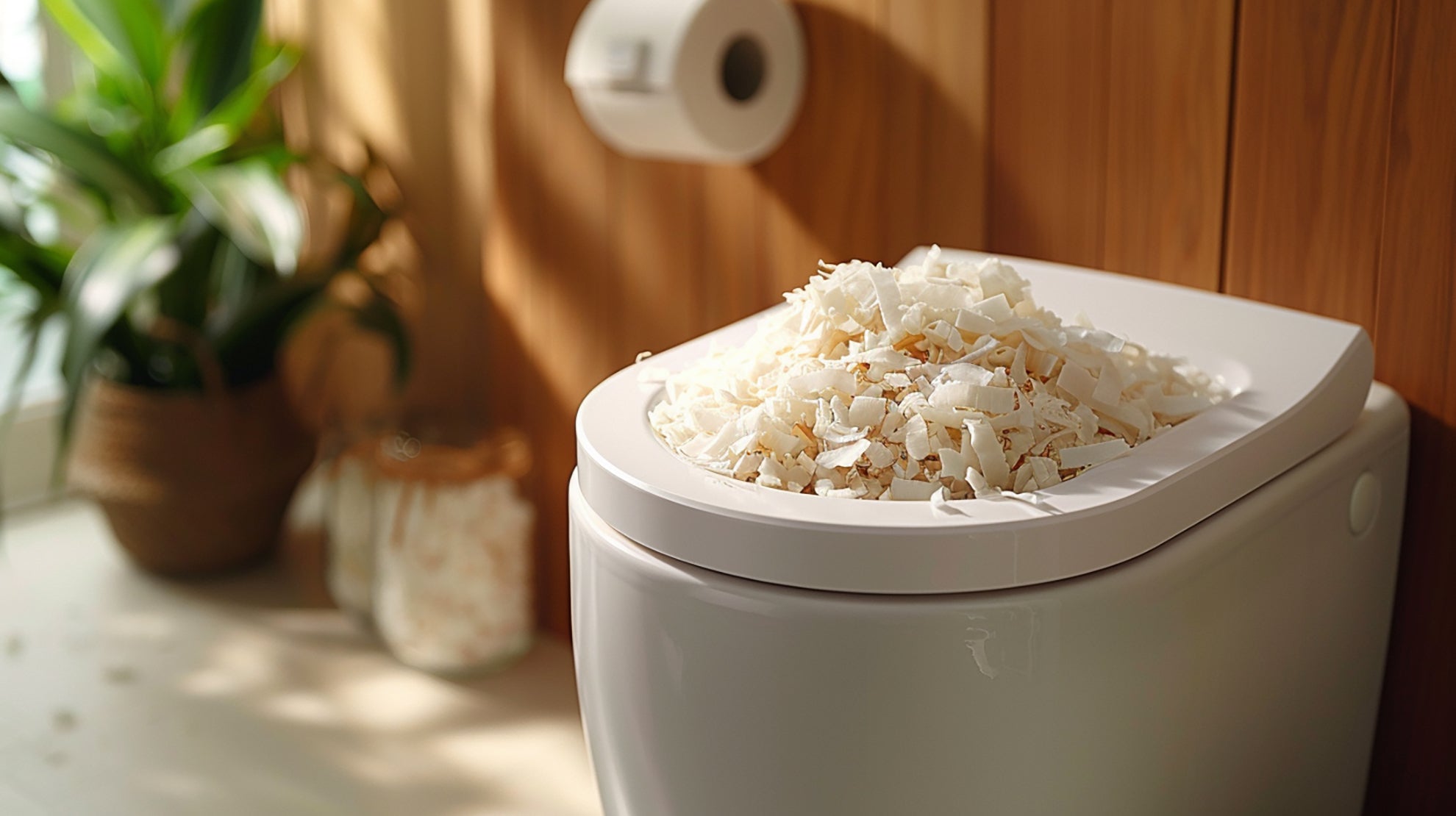
Even with diarrhea, the dry separation toilet remains a reliable solution, provided a few basic points are observed. The key factors are the correct bedding material, more frequent emptying, consistent cleaning, and a good ventilation concept.
Especially in enclosed spaces like caravans or vans, the interplay of these factors plays an important role. In the following article, you will learn how to avoid odors with the dry separation toilet, what is important when using it during illness, and which bedding materials are particularly suitable for diarrhea.
Can a dry separation toilet be used during diarrhea?
Yes, a dry separation toilet can be used without concern even during diarrhea. Especially with stomach and intestinal infections, traveler's diarrhea, or acute diarrhea caused by spoiled food, the question arises how hygienic a dry separation toilet functions under difficult conditions. The system design of this sanitary solution is made to reliably collect and isolate even highly liquefied excrement.
The decisive factor is the targeted use of absorbent natural bedding such as coconut fibres or fine wood shavings to efficiently absorb excess moisture and at the same time prevent odor development. With increased moisture content, a shortened emptying interval of the solid waste container is recommended to maintain the microbiological balance and hygienic integrity of the toilet.
Through contact-free emptying and clearly structured cleaning routines, handling remains safe even with infectious types of diarrhea. Dry separation toilets thus retain their full functionality, even if stool consistency deviates from the norm.
What should be considered when using a dry separation toilet during diarrhea?
When using a dry separation toilet during a diarrheal illness, moisture binding, odor prevention, and hygiene are essential. Since the stool is highly liquefied, a generous amount of absorbent bedding such as coconut fibres, wood shavings, or bark mulch must be added after each use to absorb excess wetness and neutralize odors.
It is especially important to empty the solid waste container at shorter intervals to prevent microbial imbalance and maintain the freshness of the system. In infectious illnesses, a separate collection container should be used to specifically prevent the spread of germs.
Material care is carried out as usual with mild, biodegradable cleaners; aggressive chemicals should be avoided to protect the materials. In models with ventilation or stirring mechanisms, active ventilation additionally supports the drying process.
Even used toilet paper can remain in the solid waste container and contributes positively to moisture regulation.
How often should the solid waste container be emptied during diarrhea?
During diarrhea, the solid waste container of a dry separation toilet should ideally be emptied daily or immediately after a stronger bout of diarrhea. The greatly increased moisture load from the liquid stool changes the microclimate in the collection container and can lead to rapid odor formation and hygienic risks without timely emptying.
While under normal use a change every three to five days is sufficient, the special consistency of diarrhea requires much closer monitoring.
It is not only the frequency that matters but also the combination with highly absorbent materials such as wood shavings or coconut fibres, which bind moisture and stabilize the mass. If a mushy state or unpleasant odor occurs despite bedding, immediate emptying is unavoidable. Our recommendations for dry separation toilets with bags:
- Emptying interval for normal use: Every 4 days
- Emptying interval during diarrhea: Every day
- Emptying interval with multiple travellers: Every 2 days
What effect does diarrhea have on odor formation in the dry separation toilet?
Diarrhea increases odor formation in a dry separation toilet because it significantly raises the moisture content in the solid waste container. In a wet environment, anaerobic microorganisms can release gases such as ammonia, hydrogen sulphide, and methane, which are responsible for unpleasant putrid smells.
The natural drying effect, which is central to odor control, is greatly impaired by the liquid consistency of the stool. To curb these biochemical processes, immediate action is required: the use of highly absorbent materials such as coconut fibres or wood shavings and an accelerated emptying frequency stabilise the internal climate of the toilet.
In composting systems, an integrated fan additionally supports the evaporation of excess moisture and noticeably reduces odor development.
Which bedding is suitable for the dry separation toilet during diarrhea?
For use in a dry separation toilet during diarrhea, especially highly absorbent, biodegradable materials such as coconut fibres, medium-coarse wood shavings, and special compost bedding with plant charcoal or rock flour are suitable. These substrates efficiently bind excess moisture, prevent anaerobic decomposition processes, and minimise the formation of volatile sulphur and nitrogen compounds.
Particularly proven are small animal bedding made from softwood as well as ready-to-use coconut fibres like the so-called “FaserRefill,” which through its absorbent structure sustainably controls both moisture and odors. Those who value easy handling choose dry, ready-to-use bedding types without pre-treatment. Materials such as miscanthus or plant-based biodegradable cat litter offer an interesting alternative as long as they are compostable and do not excessively increase the bag’s weight.
However, consistent application remains decisive. After each use, a generous amount of bedding must be added to keep the mass dry and ensure the hygienic functionality of the dry separation toilet. If no bedding is available, crumpled newspaper, dry leaves, or powdered wood ash can help in an emergency to quickly bind excess moisture.
Proven bedding materials for diarrhea
-
Coconut fibres: Very absorbent, structurally stable, compostable, and odor-binding
-
Medium-coarse wood shavings: Ideal for quick moisture binding and air circulation in the container
-
Compost bedding with plant charcoal or rock flour: Neutralises odors and promotes aerobic decomposition
-
Small animal bedding made from softwood: Affordable, readily available, high absorbency
-
Special blends: Extra absorbent and optimised for odor neutralisation
-
Miscanthus (elephant grass): Very light, well compostable, interesting alternative for campers
-
Plant-based cat litter (without additives): Compact, absorbent, but ensure compostability
At BioTioo, we rely on a combination of high-quality processed coconut fibres and matched compost bedding. Our materials are not only extremely absorbent and 100% biodegradable, but they also provide a stable substrate structure, promote natural composting, and effectively minimise unpleasant odors.

What can be done about a smelly dry separation toilet?
Targeted measures aimed at moisture regulation, separation technique, and odor control help against a smelly dry separation toilet. An immediately effective strategy is to consistently cover the solids with dry, absorbent bedding such as coconut fibres, wood shavings, or miscanthus to counteract odor formation right from the start.
Equally important is the regular emptying of both containers. The urine canister should be emptied every two to three days to avoid ammonia formation and putrid gases. Cleaning with diluted vinegar essence or citric acid protects against urine scale and sustainably neutralises emerging odors.
In mobile or damp environments such as campers, avoiding condensation plays a central role. Moist surfaces on the separation insert should therefore be regularly dabbed dry. Additionally, an active exhaust system or a ventilation shaft without power, which specifically removes moist air and keeps the interior climate dry, is effective. Correct separation of urine and solids remains essential, as only this way can anaerobic decomposition processes be effectively avoided. Those who also use home remedies like baking soda can further optimise odor control in the plastic container.

