



BioTioo 2.0 RL-Motion (RL-M)
Choose your option

Choose your option


BioTioo 2.0 RL-M Pro
Choose your option
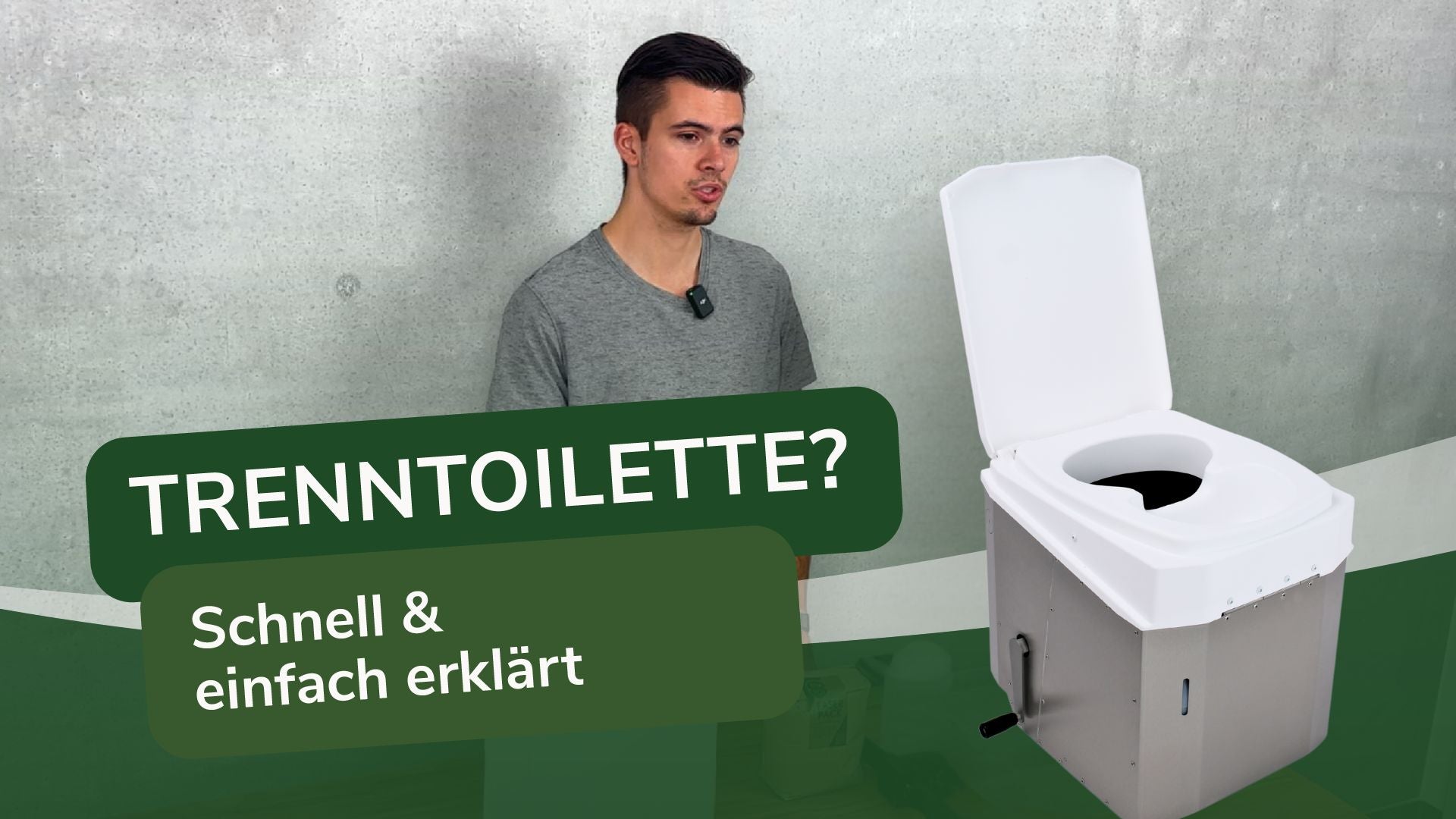
Why a dry toilet is the ideal garden toilet
In German small and allotment gardens, no wastewater is allowed according to the Federal Allotment Garden Act. Conventional flush toilets are therefore not an option. At the same time, garden owners desire a hygienic, odour-free solution that blends seamlessly into the garden setting.
This is exactly where modern dry separation toilets come in: By consistently separating urine and solid waste, no unpleasant smells arise. The natural composting process turns the solid excretions into valuable humus for ornamental plants. A win-win situation for people and nature.
Core advantages for the garden
- 100% self-sufficient: No water, electricity, or sewer connection required
- Odourless: Patented sealing technology prevents ammonia formation
- Weatherproof: High-quality materials for year-round outdoor use
- Flexibly expandable: Modules for different user groups and capacities
- Easy emptying: Ergonomic containers with secure closures
Installation is tool-free on a level surface. Whether in an existing garden shed, a separate toilet cabin, or as a freestanding system – BioTioo dry toilets adapt to the conditions.
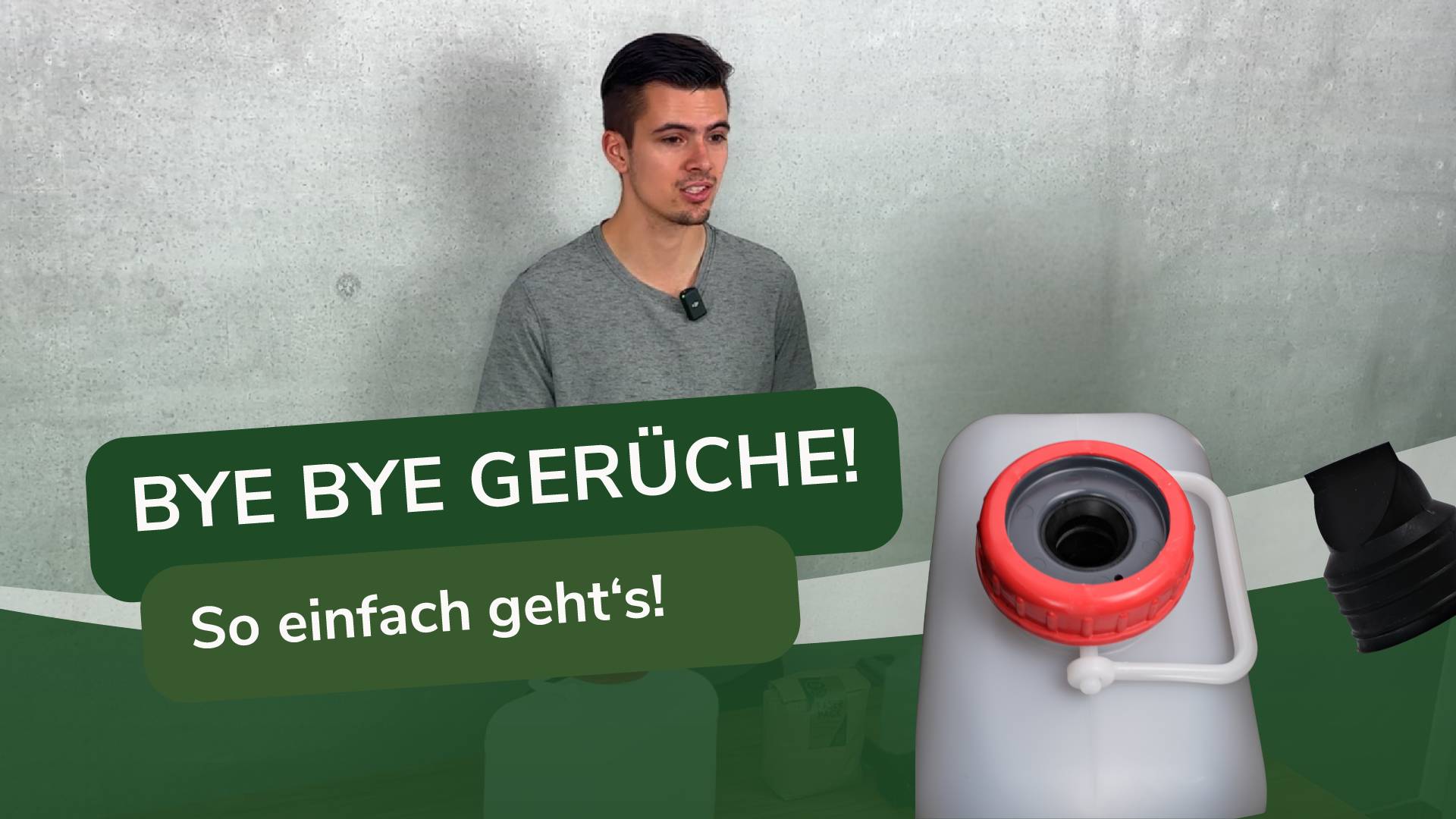
From the allotment garden to the clubhouse: solutions for every need
The BioTioo dry toilets were specially developed for the particular demands in garden areas. The modular system allows for individual setups depending on available space and frequency of use.

For the private small garden
BioTioo models without electricity with bag system and litter are sufficient for occasional use. No installation is necessary. The containers can be easily carried to the home compost or alternatively disposed of via the organic waste bin and residual waste.

For garden clubs and community gardens
If several people regularly use a toilet, a UTA version is recommended. Instead of the urine tank, it uses an adapter that can direct the urine into an external tank. This significantly extends the emptying intervals.

For garden houses with overnight stay
Those who regularly use the garden as a retreat or workplace choose the greatest possible comfort: models with a stirring mechanism and SmellX odour seal allow for odour-free continuous operation. Perfect for garden sheds with self-sufficient supply.
Both variants in comparison
BioTioo Basic
- Solid waste container with bag inside
- Solids are covered by hand with litter after each use
- Disposal of solids after 5–8 uses, as they only dry on the surface
- Toilet paper can be placed in the solid waste container
- Urine tank (10 L) with odour trap
- Upgradeable to composting toilet
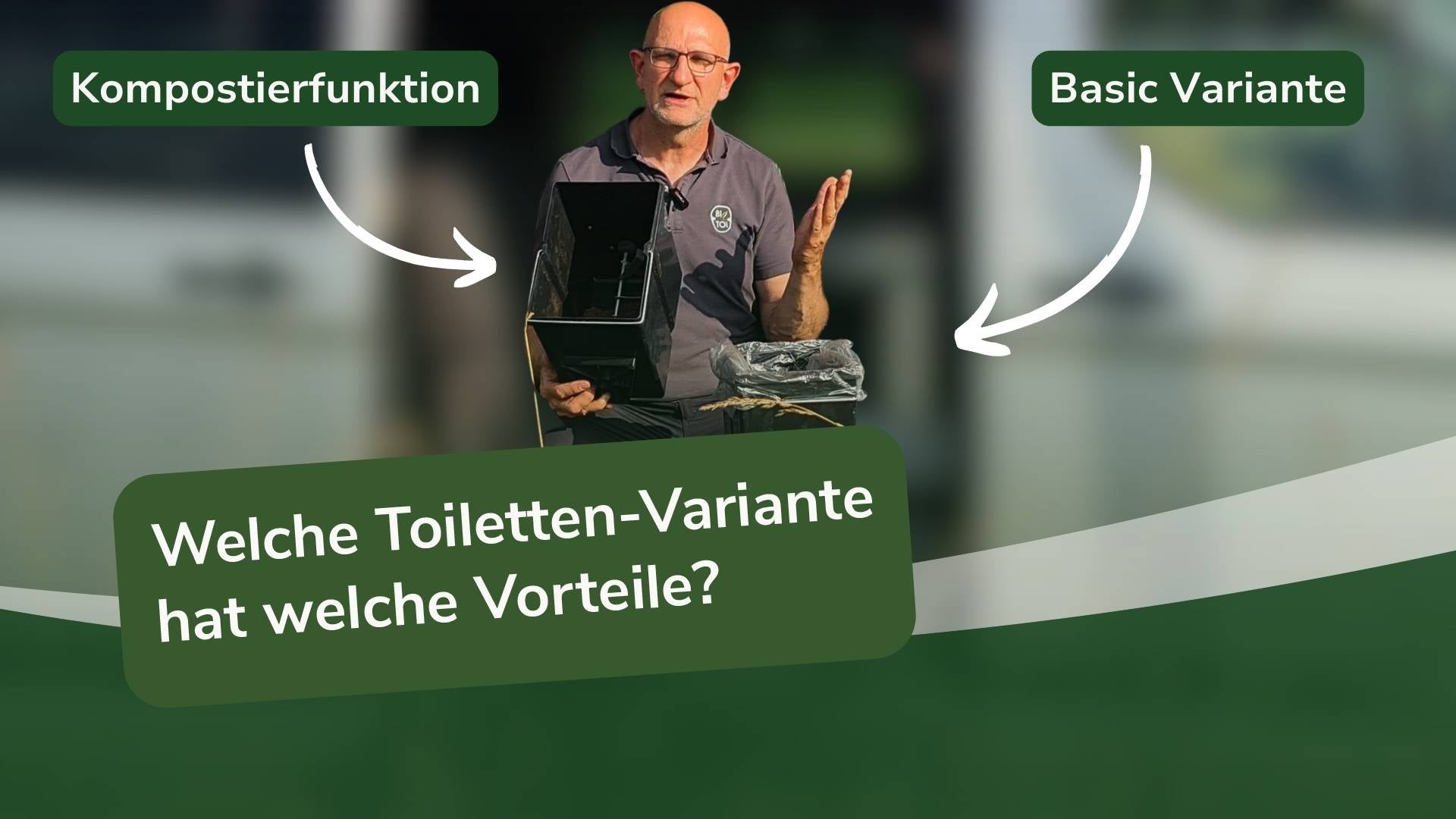
BioTioo RL (with agitator and ventilator)
- Solid waste container with built-in composting function
- Single filling with plant fibers before the holiday
- Solids dry and begin to compost
- Disposal of solids after 20–30 uses
- Toilet paper can be placed in the solid waste container
- Urine tank (10 L) with odor trap
- Maximum independence
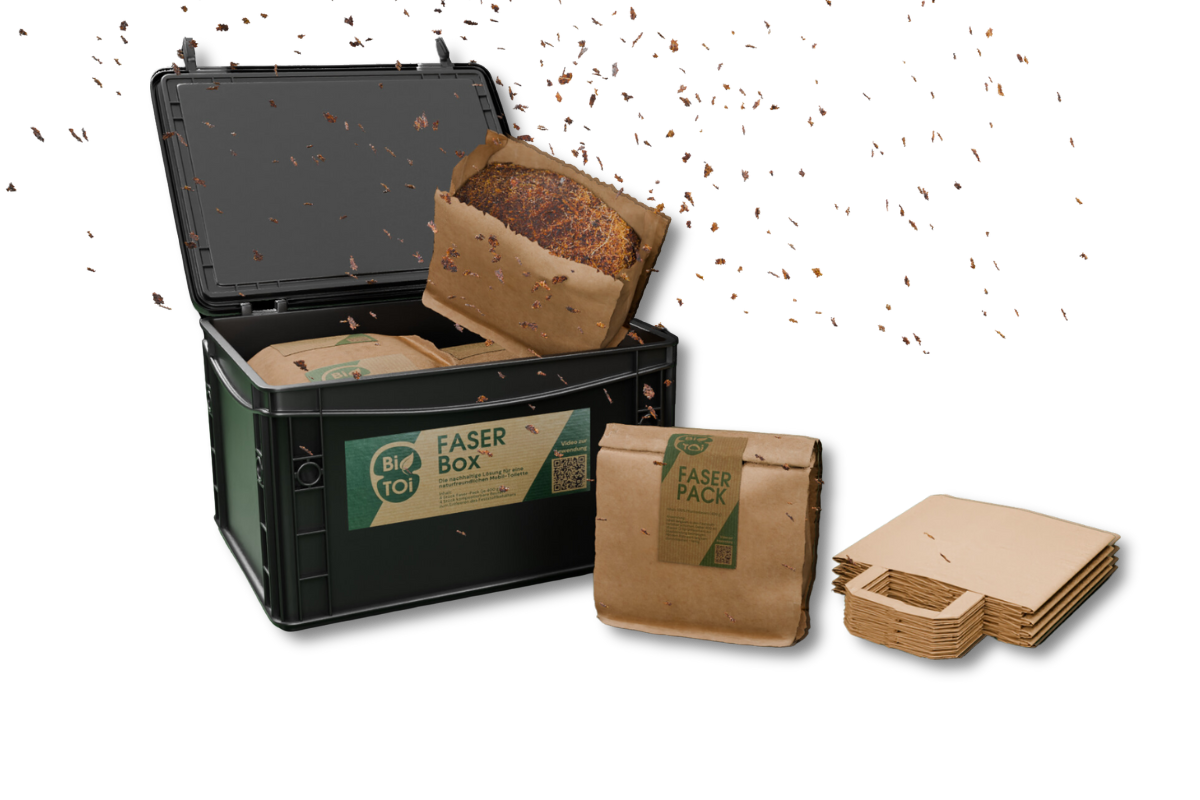
The comfort boost for your dry toilet Ready-to-use plant fibers
Everything you need to know about an outdoor toilet
Here you will find concise answers to the most common questions.
For further information or personal advice tailored to your individual situation, you can reach us by phone at 07551 8344970 or by email at info@biotioo.com. You are also welcome to book a personal consultation with us directly.
Can a dry toilet be used for a garden sauna?
Can a dry toilet be used for a garden sauna?
BioTioo dry toilets are especially suitable for use in a garden sauna – even if there is no water or sewer connection available. They operate independently, separating urine and solids without odour. They can be easily integrated into the sauna anteroom or sauna cabin. Special accessory options such as SmellX Pro filters and versions with a stirring mechanism or fan module increase comfort and ease of use even with intensive use.
How often does a garden toilet need to be emptied?
How often does a garden toilet need to be emptied?
With daily use, emptying every 2 weeks is sufficient. The exact frequency depends on the number of users. In the garden, a dry separating toilet is usually used on weekends. Here, the toilet should be emptied after about 20-25 uses.
Can the toilet also be used in winter?
Can the toilet also be used in winter?
Yes, BioTioo dry toilets are frost-proof and designed for year-round use in the garden. The high-quality polypropylene remains stable even at below-freezing temperatures and does not become brittle – ideal for unheated garden sheds or outdoor areas. The stainless steel casing is also temperature resistant.
How complicated is the installation?
How complicated is the installation?
The installation of a BioTioo dry toilet in the garden is straightforward: it can simply be placed on a level surface or, if needed, screwed onto wooden bases, for example in the garden shed or tool shed.