



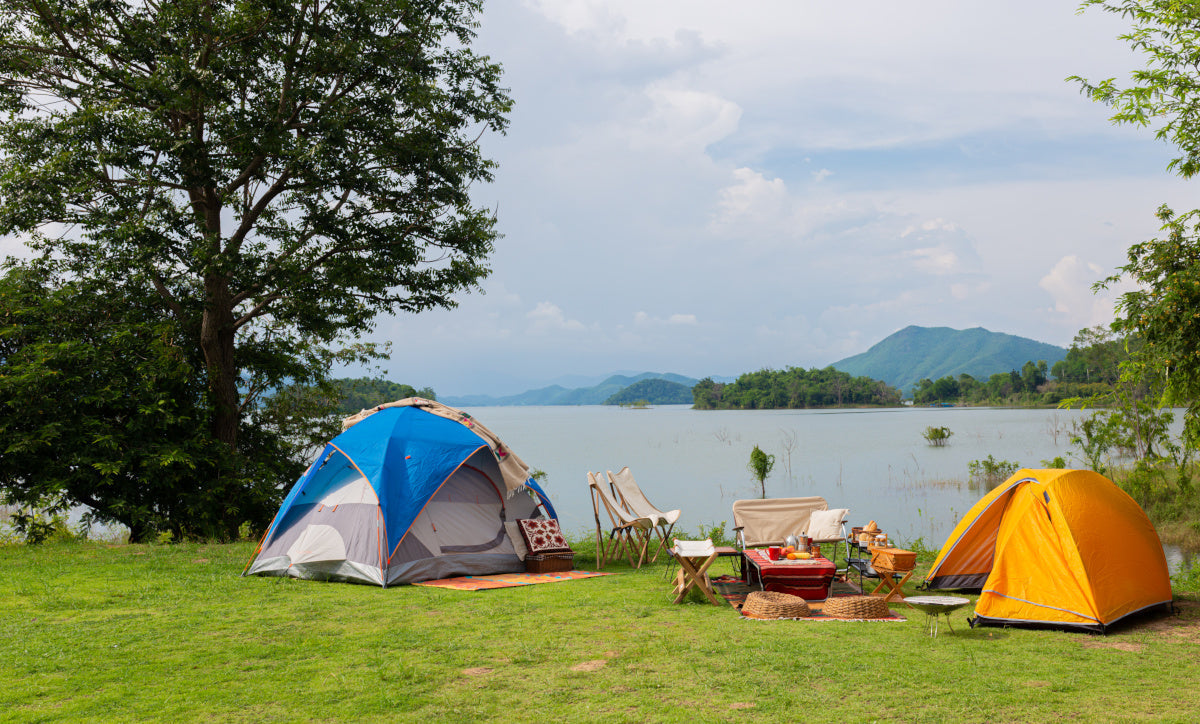
Camping is the perfect mix of freedom, nature, and adventure, because instead of hotel routine, you enjoy fresh air and maximum flexibility with a unique campfire feeling. To ensure your camping trip doesn’t end in chaos, the right basic camping equipment is essential. BioTioo shows you how a well-thought-out camping checklist can quickly turn the stress of packing into excitement for the campsite.
What do you absolutely need for a camping trip?
For every type of camping trip, there are a few basics that should always be included. The essential equipment mainly consists of two things: accommodation like a tent or caravan and a suitable sleeping option such as a sleeping pad, air mattress, or sleeping bag. Also important to have are cooking gear, hygiene and first aid items, and optionally a camping toilet. The details of the equipment vary slightly depending on whether you are camping in a tent or camper, but the basic principle always remains the same: you need protection from the weather, enough water, something to cook with, a comfortable place to sleep, and a bit of technology and tools.
All this can cost very different amounts. For beginners, the rough cost range for a simple basic camping setup is broadly between about 300 and 800 € – the exact price depends on the quality of the products and how much comfort you ultimately allow yourself. You can save well on decorations or expensive brand clothing, but not on the tent, sleeping bag, or first aid kit.
Camping checklist – your structure for packing
A good camping checklist is worth its weight in gold. With it, you don’t have to run through the apartment ten times while packing, only to realize on the road that the CEE plug, cookware, or flashlight was left at home. Especially on the first camping trip or the big tour with family and children, checking off the list helps you keep track better and distribute the luggage sensibly from the start. Checkmark by checkmark, packing becomes a relaxed part instead of a big stress factor.
This belongs on every camping packing list
-
Accommodation and sleep: Tent, sleeping mat, air mattress, sleeping bag, blanket, and bedding
-
Kitchen and food supply: Camping stove, pots, pans, dishes and cutlery, water canister, and cooler box
-
Hygiene and sanitation: Towels, shampoo, shower gel, soap, toilet paper, hygiene products
-
First aid and safety: Travel pharmacy, first aid kit, safety vests, warning triangle, and fire extinguisher
-
Clothing and personal items: Clothes depending on the season, shoes, pajamas, and swimwear
-
Technology, power, and documents: CEE plug, extension cable, mobile phone, charging cable, ID card, and passport
The basis for your camping equipment is always your chosen accommodation. For camping, a sturdy tent of the right size is important. This includes pegs, a hammer, a groundsheet, and if needed, a vestibule for extra storage space. Trekking tents are lighter and especially good if you hike a lot, while family tents offer more space but also take up more room in your luggage.
With a caravan or motorhome, the basic camping equipment shifts a bit: Here, things like wheel chocks, CEE plugs, extension cables, a filled water tank, and possibly a wastewater tank are important. Storage space also needs to be used cleverly – with crates, boxes, and a well-organized cupboard or mattress layout. But whatever you travel with: Good planning saves nerves and creates more room for anticipation.
Sleeping comfort and season – How not to freeze while camping
When it comes to sleep, don’t skimp on the basic camping equipment. A good sleeping bag is always tailored to your season and nighttime temperatures. It is complemented by a sleeping mat or air mattress and optionally with extra bedding and a small pillow. A comfortable pajama and warm socks also make cooler nights more bearable.
Our tip: Test your sleeping setup once at home before the camping trip, for example on the balcony or in the living room. This way, you quickly notice if lying down is comfortable and if the sleeping bag is really warm enough.
Cooking on the go: Camping kitchen and provisions
A good camping kitchen mainly includes a camping stove or gas stove with appropriate gas bottles and a compact kettle. If you want it a bit more luxurious and varied, a small grill and a portable coffee machine are also not to be underestimated – at least the first coffee in the morning will be much better than with instant powder.
Also think about the cookware:
-
1 to 2 pots and a pan
-
Cutting board, knife, can opener, corkscrew
-
Cup, bowls, plates, dishes, and cutlery
-
Sponge, dish soap, dish brush, paper towels
-
Camping table and camping chairs as a cozy base for outdoors
With these utensils, you can create a small, functional outdoor kitchen on the go, where you can easily prepare simple camping recipes.
Food and provisions: This makes sense
For provisions, it’s best to rely on a mix of durable basics and fresh local foods.
Typical supplies are:
-
Pasta, rice, muesli, granola bars
-
Bread, snacks, canned goods
-
Ingredients like oil, vinegar, salt, pepper, and a few favorite spices
-
Breakfast classics like boiled eggs, coffee, jam
A cooler box or a small fridge in the camper keeps sensitive foods like cheese, sausage, and milk fresh for longer. Also, organize your food best in stackable crates to keep everything neat and quickly accessible.
Hygiene and Toilet – From Shower Bag to Camping Toilet
Most campsites have well-equipped sanitary facilities with showers, toilets, and sinks. Therefore indispensable: flip flops for the shower and in summer some sunscreen, insect repellent, and – not to forget – enough toilet paper. However, if you prefer not to walk across the site to the sanitary facilities at night, you can also rely on a mobile toilet. A dry toilet like the BioTioo 2.0 from BioTioo combines more independence and comfort with environmental friendliness, as it works completely without chemicals and water. On top of that, it is low-maintenance and fits perfectly into any sustainable camping equipment.
First aid and safety – What really belongs in your luggage
A first aid kit belongs in every camping gear, whether you are on a campsite in Germany or traveling abroad, because small injuries can happen quickly while camping or hiking. A cut while cooking, a scrape while playing, or a tick after a tour through the forest – with the right safety equipment, you are prepared for everything.
Therefore, you pack into your travel first aid kit:
-
Bandages, sterile compresses, plasters, blister plasters
-
Disinfectant and wound ointment
-
Tweezers, tick card, or tick remover
-
Personal medications and painkillers
-
Important documents like vaccination card, certificates, and if needed, foreign health insurance
Besides the classic first aid kit, safety equipment for the vehicle around the warning triangle and fire extinguisher is mandatory.
Also useful for your camp setup:
-
Flashlight or headlamp
-
Mobile phone, charging cable, and power bank
-
Pocket knife, small tools, hammer, and string
-
CEE plug, extension cable, chocks for caravans
-
Candles or lanterns
With all this in your luggage, you can feel safe while camping – day and night.
Also part of the camping gear: documents, money, and all organizational stuff
Paperwork sounds dry but is very important: Without the right documents, even the nicest camping trip can quickly become stressful.
Definitely on your camping checklist:
-
ID card and, for trips abroad, passport
-
Driver's license and, if applicable, trailer license
-
Vehicle registration for car, camper, or motorhome
-
Documents for international health insurance
-
Booking confirmation from the campsite
-
Cash, debit card, and foreign currency for trips abroad
A small waterproof document folder, which you always store in the same place in your luggage, has proven useful. A quick check before each departure calms you and signals: everything is there. Then you can continue relaxed.
Clothing and personal items – adapted to location and season for camping
When it comes to clothing, the layering principle applies to camping: better several thin layers than one thick sweater.
Basic camping equipment includes:
-
Rain jacket, 1 to 2 pairs of long pants, a few shirts
-
Warm layers and a hat for cooler evenings
-
Rubber boots for changeable weather, sturdy shoes for outdoor activities
-
Swimwear for lake, sea, or pool
-
Comfortable pajamas and enough underwear
Add to that small everyday items like sunglasses, a deck of cards, one or two books, hair ties, and everything else that quickly turns your outdoor spot into a cozy temporary home. Store your things systematically in boxes or packing cubes – this way you make optimal use of the storage space.
A matter of comfort: Camping furniture and little extras
It only gets really cozy with the right camping furniture. A sturdy camping table, comfortable camping chairs, and a picnic blanket are part of many people's standard camping gear because sitting together becomes truly comfortable – like a little living room under the open sky. And even though camping means being offline for a longer time for many, you hardly get by without technology on the road: basics always include a mobile phone, GPS, and a charging cable.
Relaxed on vacation – With BioTioo and the right basic camping equipment
With a good camping checklist and well-thought-out basic camping equipment, your next camping trip will be much more relaxed because you always have what you need with you. And if you want to be independent when it comes to the toilet, you can easily and sensibly complement your camping gear with a chemical-free dry toilet from BioTioo. We promise you easy handling and comfort like no other. This way, you stay flexible, hygienic, and environmentally conscious even away from sanitary facilities – see for yourself!

