



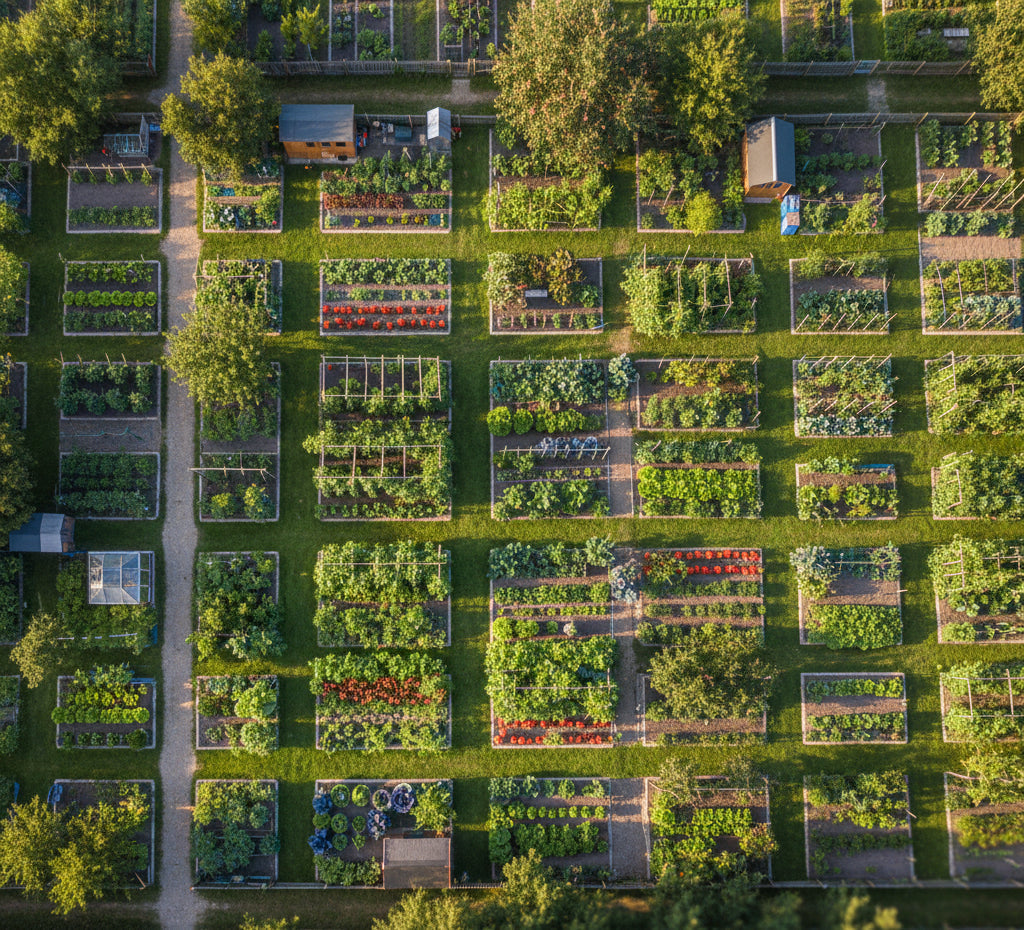
An allotment garden toilet today is more than just a simple toilet at the edge of the plot. For many allotment gardeners, it is an integral part of gardening because no one wants to constantly run home during long days in the garden. Especially for families or when garden friends visit regularly, a functioning and hygienic restroom on site provides real comfort. All this must be considered with the toilet in the allotment garden.
Hygienic restroom in the garden – wastewater-free and compliant
The challenge in allotment gardens: Most allotment garden complexes lack connection to the sewer system. Classic flush toilets, soak pits, pit latrines, or open pits are strictly prohibited because they would endanger the groundwater. Therefore, many associations set clear regulations that only allow wastewater-free systems – the rise of dry separation toilets, chemical toilets, and composting toilets. They operate completely without water and keep both the garden and the groundwater clean.
Law and rules in the allotment garden: What the Federal Allotment Garden Act requires
It is often said that the Federal Allotment Garden Act sets clear rules for the construction and operation of a toilet in the allotment garden. Strictly speaking, this is not quite correct: the law only prohibits the permanent residential use of the garden shed (§ 3 para. 2 BKleingG) – and thus only indirectly affects the toilet issue. The actual rules arise from the Water Resources Act (WHG), the Wastewater Ordinance (AbwV), as well as state and municipal regulations.
All toilets are prohibited where the flushing water or feces can enter the soil or groundwater. Anyone who still uses classic flush toilets, soak pits, septic tanks, or pit latrines risks heavy fines.
Only wastewater-free toilet systems with sealed collection containers are allowed. These must function hygienically, must not emit odors, and must be constructed so that urine and wash water cannot seep away. In addition, many allotment garden associations have additional requirements. These include, for example, a privacy screen, clearance areas, and in some cases even a building permit if a toilet cabin is planned.
Before setting up your allotment garden toilet, you should definitely inform yourself with the association and your city. If you then also organize the disposal of waste correctly, for example via collection points or approved disposal stations, you will always enjoy your stay in your own allotment garden in a legally compliant and hygienically flawless manner.
All legal aspects at a glance
- Prohibited: flush toilets, pit latrines, soak pits, septic tanks
- Allowed: wastewater-free systems such as separation toilets, compost toilets, and chemical toilets
- Requirement: sealed containers, no odor nuisance, no seepage into groundwater
- Association rules: privacy screen, clearance areas, possible building permit
- Disposal: exclusively via collection points, disposal stations, or as compost according to specifications
Systems compared: dry separation toilet, compost toilet, chemical toilet
The choice of the right toilet for the garden depends on your needs.
The dry separation toilet is today the most commonly used solution. The separation insert separates urine and solids: the urine canister collects liquids, while the collection container collects the solid excretions. This results in hardly any odor, as no ammonia is formed. The good thing: separation toilets are power-free, easy to use, and very hygienic.
The compost toilet, on the other hand, uses coconut fiber bedding. The solid components become compost in the container, which can later be reused in the garden. This is ecologically valuable, but somewhat more prone to odors.
Chemical toilets are mainly known from camping. They require chemicals and must be disposed of at special collection points. In many allotment garden associations, they are only allowed to a limited extent due to the chemicals and are considered a less sustainable alternative.
Wastewater in the garden: Why wastewater-free is mandatory
Uncontrolled wastewater in the allotment garden is a massive risk. With soak pits or simple pits, feces and wash water seep into the soil, thereby endangering the groundwater. The tricky part: even small amounts can lead to contamination that threatens both nature and human health. Exactly for this reason, wastewater systems are prohibited in allotment gardens and only modern toilets are allowed: these are designed so that no liquids enter the ground.
How to choose the right solution for your plot
Which toilet variant is right depends on your usage. If you only spend weekends in the allotment garden, a compact separation toilet with a small tank is often sufficient. Those who are out with the whole family or many garden friends need larger models with higher volume instead.
Also not to be underestimated: The design of the plot. For example, do you have space for a separate toilet house, or should the toilet bowl rather be integrated into the garden shed? A garden toilet never has to be unsightly; on the contrary: With a wooden toilet house, suitable roofing, and discreet planting, it blends harmoniously into the garden atmosphere.
Inside, meanwhile, create a comfortable toilet seat, shelves for litter and cleaning agents, and a stable toilet bowl for an all-around clean and pleasant experience. Important: Pay attention to accessibility and thus to a good seat height and comfort – especially children and older allotment gardeners benefit from ergonomic, barrier-free toilets.
Installation and handling: Step by step to the garden toilet
- Choose location
Choose a location with a short path, good privacy, and a firm, level base like in a garden or toilet house. Plan simple ventilation against odor formation from the start. - Prepare substructure
Align the floor and substructure, check dimensions, seat height, and access. Mark drilling points so the housing stands securely and does not wobble. - Position housing
Place the allotment garden toilet housing at the destination and level it horizontally. Check that all surfaces are easily accessible and cleanable. - Insert separation insert
Insert the separation insert into the toilet bowl without tension and align the urine separation forward. Check that the guides fit cleanly and nothing wobbles. - Connect containers
Connect the urine canister and insert the solid waste collection container or cassette. Check seals, lids, and closures – everything must be completely tight. - Install accessories
If necessary, install fan or vent with filter, holder for litter and bags or paper holder. This keeps odor formation low and also improves handling. - Test run and leak check
Test the urine side with some water, check hose routing and canister closure. Also briefly open the fan: A noticeable airflow indicates a functioning ventilation. - Start operation
Keep the litter handy. After each toilet use, cover solid excretions with litter, close the lid, and pay attention to consistent, correct separation. - Cleaning and Care
Clean the toilet bowl, separation insert, and housing regularly with lukewarm water and mild cleaning agents. Aggressive chemicals are taboo because they damage the material and seals.
Disposal and composting: This is how everything stays clean and compliant
Disposing of a dry separation toilet is simple: Urine is collected in the urine canister and can – depending on regulations – be diluted and used as fertilizer or disposed of at a collection point. The solid excretions end up in the collection container, are covered with litter, and can then either be composted in your own compost or handed over at official disposal stations.
It is important to keep the intervals and perform cleaning regularly. This keeps the toilet hygienic and the neighborhood free of odors.
This is how your allotment garden toilet stays fresh permanently
To keep your garden toilet reliable and functional, you should observe a few care instructions. Here is an overview:
- Use litter: Binds odors and hygienically covers excretions
- Cleaning agents: Mild agents without aggressive chemicals protect the toilet bowl and tank
- Summer: Empty more often due to heat and stronger odor formation
- Winter: Longer intervals are possible due to cooler temperatures
- Garden parties or many people: Plan additional cassettes or collection containers
- Keep an eye on volume capacity: Replace or empty in time
BioTioo: your wastewater-free, low-odor solution for the small garden
With BioTioo, you will find the perfect allotment garden toilet that works wastewater-free and remains maximally hygienic. Our dry separation toilets for the garden impress with robust materials, easy installation, and well-thought-out urine separation systems.
We provide you with two powerful models:
- BioTioo 2.0: More comfortable than the predecessor 1.0 with an optimized seat surface and easier cleaning. Ideal for families and frequent use.
- BioTioo 2.0 RL-M: The most comfortable version, with an electric agitator.
All models operate completely without water and are free of chemicals, making them the safest and most hygienic solution for any plot. You see: With BioTioo, you choose a garden toilet that is wastewater-free, low-odor, and especially durable.
Start now with BioTioo and find the right, sustainable dry separation toilet for your allotment garden – so nothing stands in the way of your stay in your own plot.


